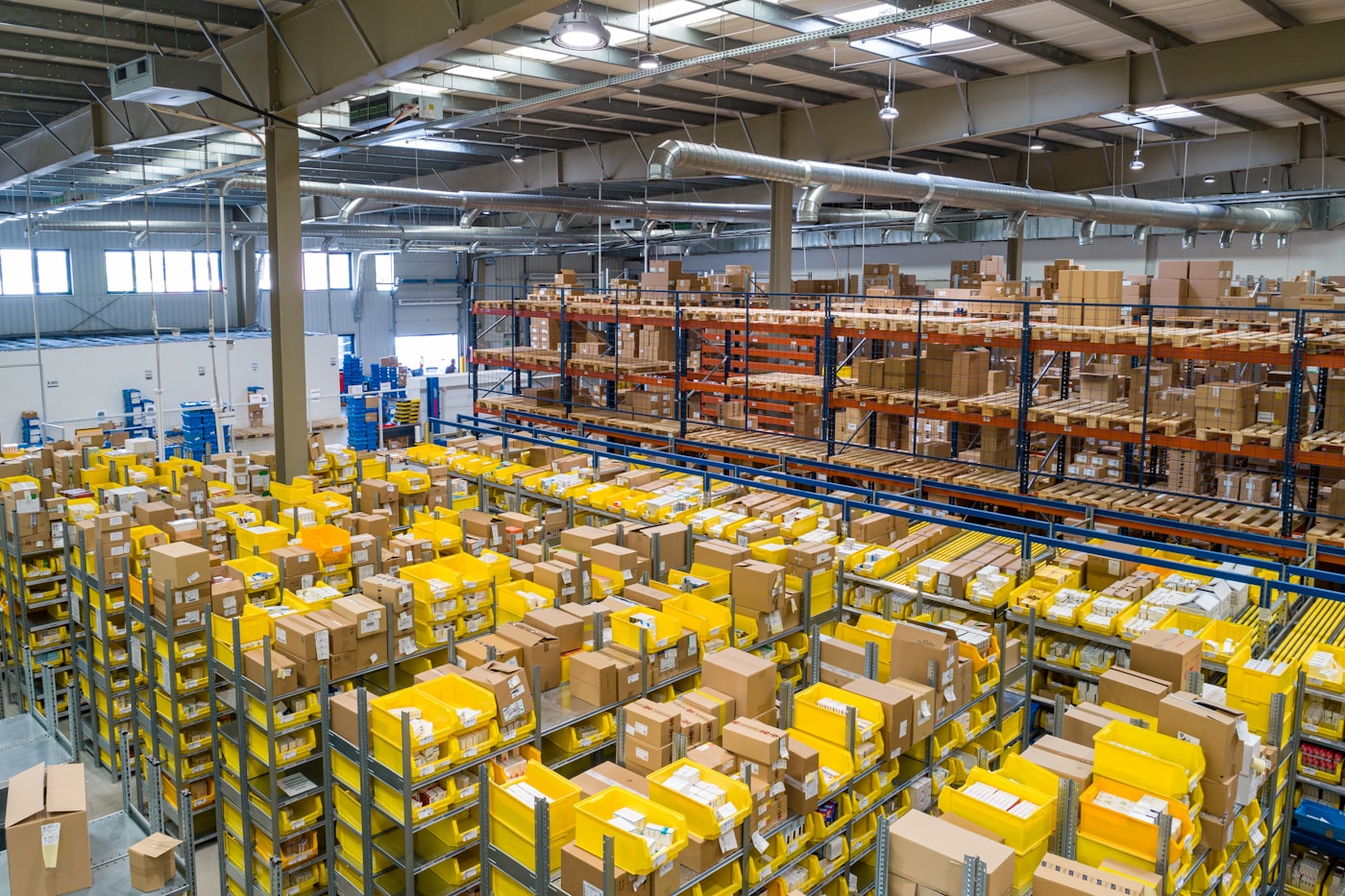
The trailer line at dawn is a document, if someone will draw it.
We stand on receiving docks in Tbilisi and along the Poti hinterland, copy the morning appointments, and leave a monitoring brief the night crew can pin beside the dispatch board. The work is supply chain monitoring: queues, streams, and the inventory base as they actually sit, not as the weekly meeting remembers them.
Warehouses already keep numbers. What they rarely keep is a picture of the wait. A dock that looks calm at ten still carried three trailers that had no bay at six. A pick face that looks full still hides a bonded cage that has not released a pallet in a week. Supply chain monitoring, in our practice, means drawing those waits so a supervisor can point at them.
Queuestreambase Analytics works from Level 11 on Chavchavadze Avenue and travels to yards that will have us. We copy dock schedules by hand. We walk the stream from gate to dispatch. We mark the inventory base where the ledger and the floor disagree. The brief we leave is a set of sheets, not a speech.
If your morning call keeps naming “congestion” without saying which bay, which lot, or which appointment window, that is the sort of gap we are hired to draw.
After the first assessment, a thinner brief on a cycle you choose — so harvest weeks and port bunching do not erase the picture.
A page from last month’s brief
Rustavi dry goods
A distributor on the Rustavi road kept missing the same morning cut-off. The warehouse manager knew the dock was “busy.” The drawing showed something plainer: three inbound trailers booking the same 05:40 window, a single forklift on the east aisle, and an inventory base that still counted a lot as present after it had already gone to Kutaisi.
We did not install a board of lights. We left a two-page stream map, a queue strip for the 05:00–08:00 window, and a red pencil mark on the lot that the night count should stop trusting.
They spent the first hour just watching the Sarpi-bound trucks idle in our yard. I wanted a neat chart that afternoon. They would not draw until the second shift change. The wait annoyed me. The map they left actually matched the backlog my night supervisor kept describing in the stairwell.
The inventory base on paper had looked respectable for months. Their briefing showed the bonded cage as a dead pocket: goods entered, the ledger ticked, and nothing moved toward the dock for eleven days. We opened that cage the same week.
We arrive before the first appointment window, copy the dock schedule by hand, and mark every trailer that is already waiting without a bay.
Midday
Walk the stream
Receiving, hold, pick face, dispatch. We count dwell in places the morning call never names: the cage, the damaged pallet island, the corridor that looks empty and is not.
After
Leave a brief
A drawn stream, a queue strip, and a short list of what the inventory base is still pretending. No binder of recommendations that cannot be pinned to a wall.
A floor has rooms the morning call never mentions. The map’s job is to put those rooms in ink.
This ledger stores one small note in your browser so we remember whether you accepted or refused cookies.
The choice is yours. Refusing does not hide assessments, rates, or field notes.
Read the cookie notice before you decide.